

For many autistic people, skipping socializing isn't always about disliking people or being a loner. Sometimes, it’s just about protecting themselves from the sting of rejection, misunderstandings, and those exhausting, unsuccessful attempts to truly connect with others!
While autism is frequently linked to social communication quirks, the deep-down emotional vibes behind those differences often get way less spotlight! Loads of autistic folks truly love the idea of making friends, building meaningful bonds, and finding their tribe. But honestly, after years of trying to hack neurotypical social rules, socializing can start to feel totally draining, super intimidating, and like a major emotional gamble!
For some, avoiding social situations becomes a form of self-protection rather than a genuine preference for isolation.
Understanding why this happens is essential to creating a more accepting society where autistic people can develop meaningful relationships without feeling pressured to change who they are.
1. The Desire for Connection Doesn't Disappear Because Someone Is Autistic
One of the most persistent misconceptions about autism is that autistic people naturally prefer solitude and have little interest in developing relationships.
Although some autistic individuals genuinely enjoy spending considerable time alone, others are highly social, outgoing, and enthusiastic about meeting people.
Being autistic doesn't mean someone lacks the desire for human connection.
An autistic person might totally enjoy a good chat, love having some company, and be all in on making friends, even while they're navigating the tricky bits of keeping those connections going!
The challenge often involves differences in communication styles, interpreting social expectations, recognizing subtle signals, and understanding how others perceive their behavior.
These differences can create situations where an autistic person wants to connect but struggles to establish the mutual understanding necessary for relationships to develop.
Over time, repeated disappointments may lead someone to question whether socializing is worth the emotional effort.
2. Repeated Social Rejection Can Create a Fear of Connecting
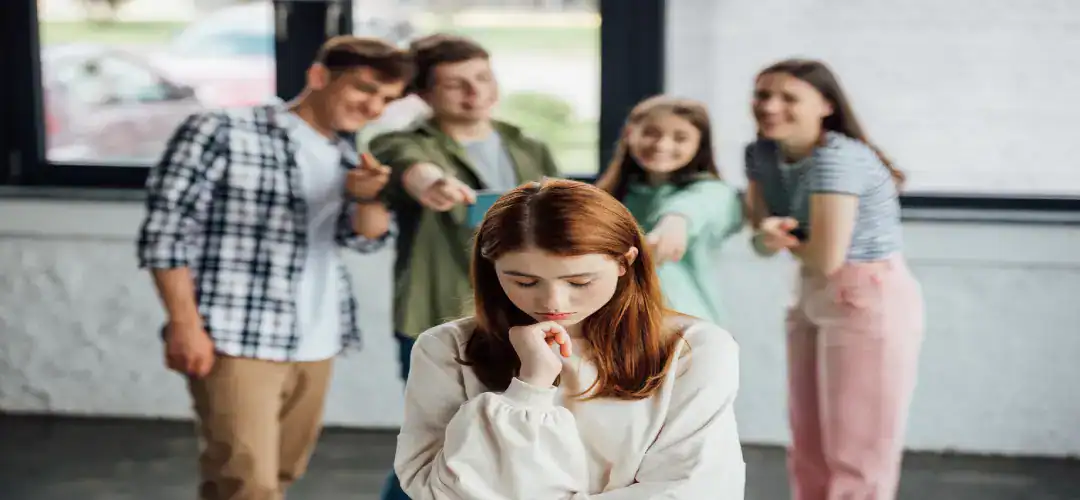
For some autistic people, social avoidance actually blossoms over time after years of navigating tricky interpersonal experiences!
During childhood, adolescence, or adulthood, they may encounter situations where their attempts at friendship are misunderstood, dismissed, or rejected.
They might experience:
- Being excluded from conversations or social gatherings.
- Having their communication style misinterpreted as rude or inappropriate.
- Struggling to recognize when someone is genuinely interested in friendship.
- Being criticized for speaking too directly or discussing personal interests.
- Experiencing bullying, teasing, or social isolation.
- Developing friendships that unexpectedly disappear without explanation.
When these experiences happen repeatedly, they can influence how someone approaches future relationships.
An autistic person may begin anticipating rejection before an interaction even begins.
Instead of risking another painful experience, avoiding social situations can feel safer.
It's not really about the fear of chatting with folks—it's more about that "oh no" feeling of putting your heart out there to connect and getting hit with another rejection.
3. Why Connecting With Neurotypical People Can Feel Difficult
Autistic and neurotypical individuals sometimes approach communication differently.
Neurotypical social interactions often involve a whole mix of unspoken expectations, indirect communication, subtle facial expressions, and those little assumptions about how a conversation "should" go!
Autistic people may communicate more directly, interpret language literally, or approach conversations through shared interests and detailed discussions.
Neither communication style is inherently inferior.
However, misunderstandings can arise when individuals assume everyone communicates and interprets social information similarly.
For example, an autistic person might believe a conversation went exceptionally well because both participants exchanged information and discussed interesting subjects.
The neurotypical participant might interpret the same interaction differently because of perceived differences in eye contact, conversational timing, or emotional expression.
These contrasting interpretations can create confusion.
The autistic individual may wonder why someone who appeared friendly suddenly becomes distant.
The Double Empathy Problem
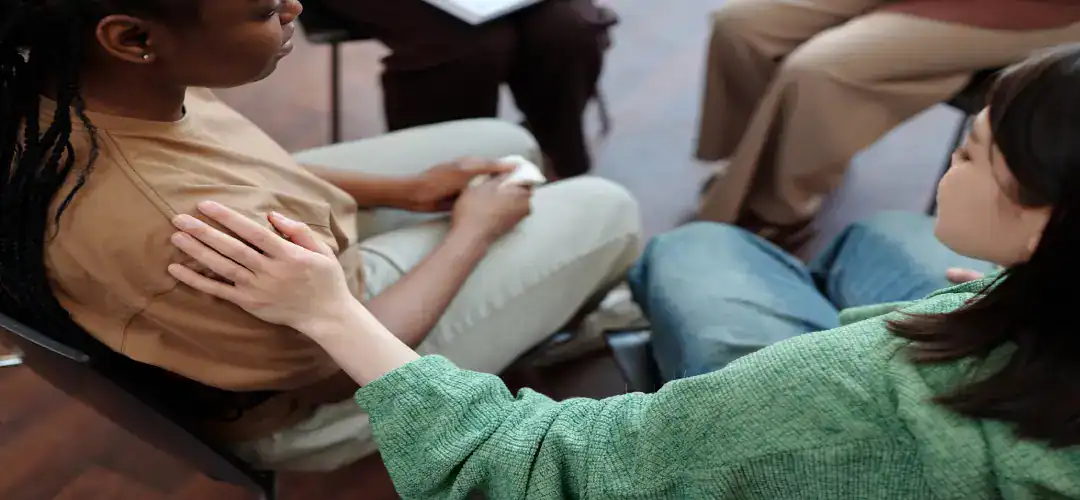
An important concept in autism research is the double empathy problem, introduced by autistic researcher Damian Milton.
This theory suggests that communication difficulties between autistic and non-autistic people are not necessarily caused by deficits in autistic individuals alone.
Instead, misunderstandings can occur because both groups experience difficulty interpreting each other's perspectives, communication styles, and social expectations.
This challenges the assumption that autistic people are solely responsible for unsuccessful social interactions.
Meaningful connection requires understanding and effort from everyone involved.
4. Social Masking Can Make Relationships Emotionally Exhausting
Some autistic people attempt to overcome social difficulties through masking.
Masking involves consciously or unconsciously modifying natural behaviours to meet perceived social expectations.
This might include rehearsing conversations, forcing eye contact, suppressing repetitive movements, imitating facial expressions, or carefully monitoring speech.
Although masking can sometimes help autistic individuals navigate particular environments, maintaining these behaviors may require considerable mental effort.
An autistic person might spend an entire social gathering analyzing their behaviour rather than enjoying the experience.
They may constantly wonder whether they are speaking too much, appearing awkward, interrupting someone, or violating an unspoken social rule.
Even when an interaction appears successful, the individual may leave feeling mentally exhausted.
When socializing requires continuous self-monitoring, avoiding interactions can become a way to preserve emotional energy.
For some individuals, this exhaustion contributes to social withdrawal and reduced confidence.
5. The Emotional Consequences of Feeling Different

Repeated social difficulties can influence an autistic person's self-esteem and sense of belonging.
Someone who consistently struggles to develop friendships may begin internalizing negative beliefs about themselves.
They might wonder:
"Why do people seem to connect so easily with everyone except me?"
"Why do friendships disappear when I think everything is going well?"
"Am I doing something wrong without realizing it?"
"Would people accept me if I behaved differently?"
These questions can become particularly painful when someone genuinely values relationships.
Some autistic individuals may develop social anxiety, experience loneliness, or become increasingly reluctant to initiate conversations.
Others may appear confident and outgoing while privately worrying about rejection.
Importantly, social anxiety is not an inevitable part of autism.
However, negative social experiences can contribute to anxiety, particularly when individuals have repeatedly encountered misunderstanding or exclusion.
6. Avoiding Socializing Can Become a Protective Strategy
When rejection becomes an anticipated outcome, withdrawing from social situations can provide immediate emotional relief.
Someone might stop attending gatherings, decline invitations, avoid initiating conversations, or limit interactions to familiar people.
This strategy can reduce exposure to uncomfortable experiences.
However, prolonged avoidance may also reduce opportunities to develop friendships and experience positive social connections.
A difficult cycle can emerge:
Past rejection sparks fear, fear nudges us toward avoidance, and avoidance cuts down on the chances for those positive experiences that could totally shake up our expectations of being rejected!
This doesn't mean autistic individuals should force themselves into uncomfortable social environments.
Choosing solitude can be healthy and fulfilling.
The important distinction is whether someone genuinely prefers being alone or feels compelled to withdraw because social interaction has become associated with emotional pain.
7. Being Extroverted and Autistic Can Create a Particularly Difficult Conflict
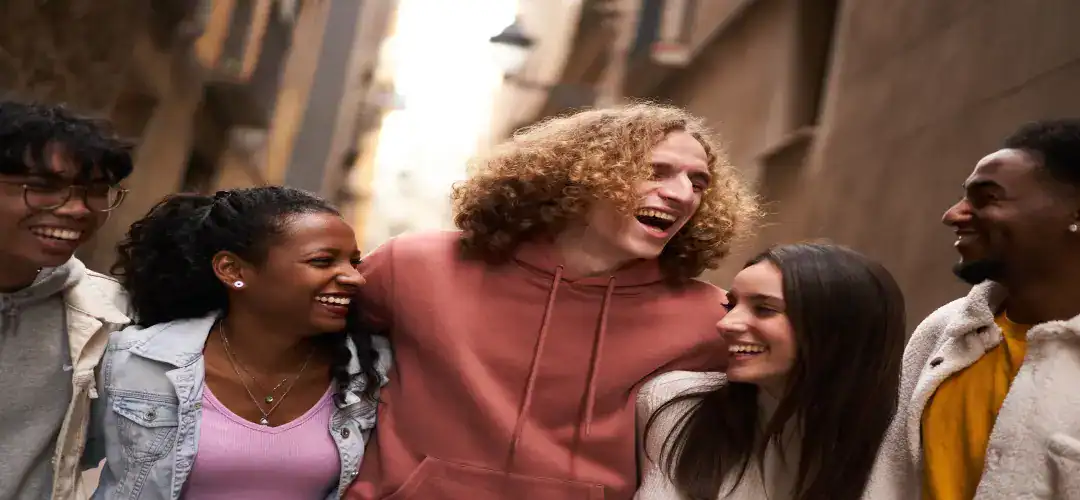
Not every autistic person is introverted.
Some autistic individuals are naturally extroverted and gain enjoyment, excitement, and emotional satisfaction from interacting with others.
For these individuals, experiencing repeated rejection can create an especially frustrating contradiction.
They may actively seek companionship while struggling to establish lasting connections.
An extroverted autistic person might enjoy meeting strangers, initiating conversations, and participating in social activities but have difficulty interpreting whether those interactions are developing into genuine friendships.
This can lead to a painful experience of feeling socially motivated but socially disconnected.
The individual may eventually withdraw despite having a strong desire for companionship.
From the outside, others might assume the person prefers isolation.
In reality, the person may be protecting themselves from another disappointing social experience.
8. Autistic People Shouldn't Have to Become Neurotypical to Be Accepted
One of the most important steps toward improving social inclusion is recognizing that autistic people shouldn't have to imitate neurotypical behaviour to deserve friendship.
Healthy relationships depend on mutual respect, understanding, honesty, and acceptance.
An autistic individual shouldn't automatically be expected to suppress their communication preferences, hide their interests, or continuously monitor their behaviour to maintain relationships.
Similarly, neurotypical individuals can benefit from understanding that differences in eye contact, facial expression, conversational style, or emotional communication don't necessarily indicate disinterest or disrespect.
Social acceptance should involve adapting to one another rather than requiring autistic people to do all the adapting.
When both individuals make an effort to understand their differences, meaningful relationships become more achievable.
9. Rebuilding Confidence After Social Rejection

For autistic people who have withdrawn because of rejection, rebuilding social confidence can take time.
The goal shouldn't be to eliminate autistic traits or force participation in uncomfortable social situations.
Instead, the focus can be on developing relationships in environments where communication differences are understood and respected.
Helpful approaches include:
- Finding shared-interest communities: Connecting through hobbies, technology, gaming, history, travel, or other interests can provide natural opportunities for conversation.
- Exploring Autistic Communities: Interacting with other autistic individuals may offer opportunities for shared understanding and acceptance.
- Developing friendships gradually: Building trust through smaller, consistent interactions can reduce pressure.
- Communicating preferences openly: Explaining communication differences can prevent misunderstandings.
- Recognizing Healthy Relationships: Genuine friends should demonstrate mutual respect rather than demanding constant conformity.
- Seeking support when necessary: Autism-informed counseling may help individuals address social anxiety, rejection-related distress, and negative self-beliefs.
Not every approach works for everyone.
Some autistic people thrive in large social groups, while others prefer one-on-one interactions or online communities.
The objective is to find relationships that feel authentic, supportive, and emotionally sustainable.
10. How Neurotypical People Can Help Reduce Social Rejection
Creating more inclusive social environments isn't solely the responsibility of autistic individuals.
Neurotypical people can play an important role by approaching communication differences with curiosity rather than judgment.
Instead of assuming someone is rude because they communicate directly, they can consider whether the individual simply expresses themselves differently.
Rather than interpreting limited eye contact as disinterest, they can recognize that eye contact preferences vary.
When misunderstandings occur, asking respectful questions can be more productive than making assumptions.
Friendships become stronger when people feel comfortable expressing themselves without constantly fearing criticism.
Acceptance doesn't require everyone to communicate identically. It requires recognizing that meaningful human connection can take different forms.
Final Thoughts: Sometimes Autistic People Avoid Socializing Because They Care About Connection

It might just be one of the biggest misconceptions about autistic social withdrawal—the idea that dodging people means you're not looking for a connection!
For some autistic individuals, the opposite is true.
They may care deeply about friendship, companionship, and belonging but have experienced enough rejection to associate socializing with disappointment.
Their withdrawal isn't necessarily evidence of indifference.
It may reflect years of trying to connect with others while feeling misunderstood, excluded, or emotionally exhausted.
Understanding this distinction is essential.
Autistic people deserve opportunities to build meaningful relationships without feeling pressured to abandon their identities.
They deserve friendships where differences are respected, communication is mutual, and acceptance isn't conditional on behaving like everyone else.
And perhaps most importantly, they deserve to recognize that struggling to connect with certain people doesn't mean they are incapable of forming genuine relationships.
Sometimes, the solution isn't teaching autistic people to become more neurotypical. It's creating a world where different ways of connecting are equally valued.
At AutismOttawaSocial.com, we believe everyone deserves friendship, understanding, and a genuine sense of belonging. By encouraging open conversations about rejection, loneliness, and social differences, we can help create a more welcoming community where autistic individuals feel comfortable connecting with others as their authentic selves.