

Breaking free from social isolation can be a tall order for autistic people. In fact, for many autistic people, social isolation can become a familiar way of life. What begins as a desire to escape overwhelming situations or avoid misunderstandings can develop into prolonged loneliness. Although time alone can provide comfort, excessive isolation may prevent autistic individuals from experiencing meaningful friendships and opportunities for growth.
Breaking free from social isolation doesn't mean ditching your autistic identity or shoving yourself into awkward social spots! Instead, it's all about finding cool ways to connect with others while totally respecting your own needs, boundaries, and communication style.
The journey toward greater social connection kicks off with understanding why isolation happens and realizing that meaningful relationships are totally possible at any stage of life!
Breaking Free From Social Isolation and Understanding Why Autistic People Choose Isolation
Autistic people might step back from social situations for reasons that go far beyond simply enjoying their own company. Socializing can involve complicated expectations, unfamiliar communication styles, sensory overload, and considerable emotional energy. Breaking free from social isolation begins with understanding these challenges, building confidence, and discovering meaningful opportunities to connect with others while respecting individual needs and boundaries.
Previous run-ins with bullying, rejection, discrimination, or repeated misunderstandings can totally play a part in steering clear of social situations. After going through all that, staying solo can feel way safer than risking another letdown.
For some autistic individuals, social isolation sneaks up on you—invitations start drying up, friendships drift away, and chances to meet new people just vanish into thin air!
Eventually, isolation can turn into a cozy little routine—even when loneliness sticks around!
However, here's the thing—not all solitude is harmful! Lots of autistic people genuinely love spending time on their own. The worry kicks in when isolation becomes unwanted, limits personal opportunities, or keeps someone from building the relationships they actually want.
Recognizing When Solitude Becomes Loneliness

There's a big difference between genuinely enjoying your alone time and dealing with unwanted social isolation!
Solitude can provide opportunities for relaxation, creativity, emotional regulation, and pursuing personal interests. Loneliness, however, occurs when someone desires meaningful connections but feels unable to establish or maintain them.
Breaking free from social isolation begins with recognizing this difference, overcoming personal barriers, and discovering supportive environments that encourage meaningful friendships, social confidence, and a genuine sense of belonging.
You might spot that unwanted isolation creeping in through feelings of sadness, disconnection, boredom, or frustration about having nobody to share experiences with!
Other signs? They include dodging invitations even when you're craving company, getting anxious about reaching out to people, or thinking that real friendships just aren't possible.
Recognizing these patterns? That's a super important first step toward change!
Wanting companionship does not make you less independent, and needing solitude does not mean you are incapable of friendship.
Both needs can totally coexist!
Start Small: Building Confidence Through Everyday Interactions

Breaking free from social isolation does not require dramatic lifestyle changes.
For autistic individuals who've spent a whole lot of time on their own, suddenly jumping into big gatherings or unfamiliar social events can feel totally overwhelming!
Instead, begin with manageable interactions that gradually build confidence.
Consider greeting a neighbour, exchanging a few words with someone at a familiar location, or reconnecting with an acquaintance through a short message.
These small experiences provide opportunities to practise communication without placing excessive pressure on yourself.
You might also establish a simple weekly goal, such as initiating one conversation or participating in one enjoyable social activity.
Progress should be measured by personal comfort and meaningful engagement rather than the number of people you meet.
Discover Social Opportunities Through Shared Interests

One of the most effective ways to develop friendships is through activities that genuinely interest you. Breaking free from social isolation becomes easier when you explore shared interests, participate in enjoyable activities, and connect with people who appreciate your passions and individuality.
Many autistic people are super into things like technology, history, travel, science, gaming, music, or creative pursuits!
These interests can become valuable pathways toward social connection.
Joining a local club, participating in an online discussion community, attending a workshop, or volunteering with an organization provides opportunities to meet people who share your enthusiasm.
Breaking free from social isolation becomes more achievable through these shared experiences, helping you build meaningful friendships, strengthen social confidence, and develop a greater sense of belonging.
Shared activities also reduce the pressure to maintain continuous conversation because participants already have something meaningful to discuss.
For example, someone passionate about photography might enjoy participating in a photography walk, while a technology enthusiast could attend a computer club.
Friendships often develop naturally when people repeatedly participate in activities they enjoy together.
Find Supportive Autistic Communities
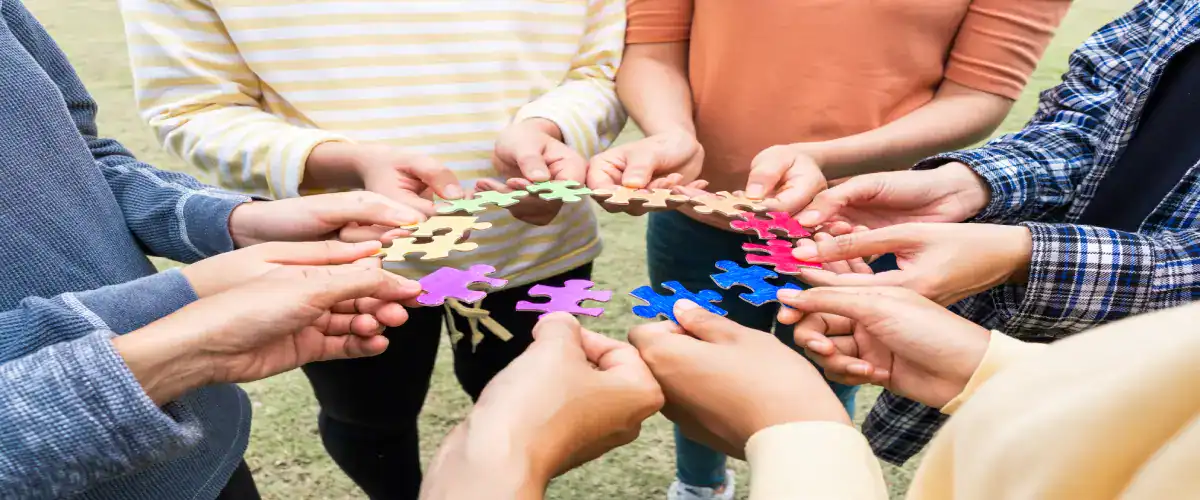
Connecting with other autistic people can be particularly meaningful for individuals who have experienced repeated social misunderstandings.
Autistic-led communities, peer support groups, and neurodivergent social networks may provide environments where different communication styles are understood and respected. Breaking free from social isolation becomes more achievable when autistic individuals find welcoming spaces that encourage authentic connections, meaningful friendships, mutual understanding, and a genuine sense of belonging.
This is why AutismOttawaSocial.com exists: to provide a welcoming community where autistic people can share experiences, discuss challenges, build friendships, and discover strategies for daily life while overcoming isolation.
Some people find online communities more accessible because written communication allows additional time to process information and formulate responses.
Others prefer smaller in-person gatherings where relationships can develop through regular interaction.
Neither approach is inherently better.
The most important consideration is finding a welcoming community where you feel accepted without pressure to disguise your autistic characteristics.
Challenge the Fear of Rejection
Fear of rejection can become a significant barrier to social connection, particularly after negative experiences. Breaking free from social isolation involves gradually overcoming these fears, rebuilding self-confidence, and recognizing that past disappointments do not define your ability to develop meaningful friendships and lasting relationships.
You might worry about saying something inappropriate, misunderstanding social expectations, or discovering that others do not share your interests.
These concerns are understandable, but they can also discourage opportunities for positive experiences.
Remember that unsuccessful interactions happen to everyone, regardless of neurological differences.
Not every conversation develops into friendship, and not every social gathering creates a sense of belonging.
Rather than interpreting disappointing experiences as personal failures, consider them opportunities to discover which environments and relationships suit you best. Breaking free from social isolation involves learning from these experiences, embracing new opportunities, and gradually building the confidence to develop meaningful connections with people who appreciate and respect your individuality
Building meaningful connections often requires patience, experimentation, and occasional disappointment.
Develop Social Confidence Without Masking Your Identity

Some autistic people believe successful socializing requires suppressing their natural communication styles, hiding their interests, or constantly imitating neurotypical behaviour.
However, breaking free from social isolation should never require sacrificing your authentic identity. Building meaningful relationships begins with embracing your individuality, finding accepting communities, and connecting with people who respect your unique communication styles and personal interests.
This practice, commonly called masking, can become emotionally exhausting when maintained for extended periods.
Although learning communication strategies can be helpful, developing social confidence should not require abandoning your identity.
Instead, focus on skills that support mutual understanding.
These might include asking questions, expressing personal boundaries, recognizing conversational preferences, and explaining your communication needs.
You can also communicate directly when something feels confusing or uncomfortable.
Authentic friendships should provide opportunities for both people to understand and accommodate one another.
The objective is not to become someone different, but to become more comfortable connecting with others as yourself. Breaking free from social isolation means embracing your authentic identity, building self-confidence, and developing meaningful relationships with people who appreciate and respect you for who you are.
Create a Sustainable Social Routine
Consistency can make social participation feel more predictable and manageable.
Rather than relying on spontaneous invitations, consider scheduling regular activities that provide opportunities for connection.
A weekly coffee gathering, monthly community event, online discussion group, or recurring volunteer commitment can gradually introduce social interaction into everyday life. Breaking free from social isolation becomes more achievable through consistent participation in enjoyable activities, helping autistic individuals build confidence, establish meaningful friendships, and develop a stronger sense of connection and belonging.
Predictable activities may reduce uncertainty because you know where you are going, what to expect, and approximately how long you will participate.
It is equally important to schedule recovery time.
Social engagement can require considerable energy, particularly in unfamiliar or sensory-intensive environments.
Maintaining a balance between connection and solitude helps prevent exhaustion and supports long-term participation.
Recognize That Friendship Takes Time

Meaningful relationships rarely develop overnight, and breaking free from social isolation requires patience, understanding, and a willingness to build connections gradually.
Developing genuine friendships takes time, shared experiences, mutual trust, and consistent effort from everyone involved. For autistic people emerging from prolonged isolation, establishing friendships may involve learning to trust others, navigating unfamiliar situations, and gradually becoming comfortable with emotional vulnerability.
Start by focusing on developing a few genuine connections rather than attempting to create a large social circle.
Friendships grow through repeated interactions, shared experiences, mutual respect, and consistent communication.
Some relationships may remain casual acquaintances, while others gradually develop into close friendships.
Both can contribute positively to your social life.
Remember that friendship is a shared responsibility. You should not have to carry the entire burden of maintaining every relationship.
Seek Additional Support When Isolation Feels Overwhelming
Sometimes, prolonged isolation is connected to anxiety, depression, autistic burnout, or painful experiences that make social participation particularly difficult.
When these challenges interfere with everyday functioning, additional support may be beneficial. Breaking free from social isolation can become more manageable with guidance from autism-informed professionals, supportive peer networks, and community organizations that encourage personal growth, emotional well-being, and meaningful social connections.
An autism-informed mental health professional, peer support facilitator, or trusted community organization may help you identify barriers and develop manageable strategies.
Support should respect your autonomy, sensory needs, communication preferences, and personal goals.
There is no universal timetable for overcoming isolation, and progress does not need to follow a straight line.
Taking occasional breaks from social activities does not erase previous achievements.
Embracing Connection While Remaining True to Yourself

Breaking free from social isolation is ultimately about creating opportunities for belonging, companionship, and meaningful participation in the world around you.
It does not require becoming extroverted, attending crowded events, or maintaining an extensive network of friends.
For some autistic people, meaningful connection might involve one trusted friendship, a supportive online community, or a small group that meets occasionally.
For others, it might mean volunteering, joining community activities, or becoming more involved in shared interests.
Every journey is different.
The most important step is recognizing that your past experiences do not have to determine your future relationships.
You deserve opportunities to develop friendships, share your experiences, and participate in communities that appreciate your individuality.
Begin with one manageable step, remain open to new possibilities, and allow relationships to develop naturally. Breaking free from social isolation is a gradual journey of building confidence, embracing opportunities, and developing meaningful friendships that bring connection, acceptance, and a genuine sense of belonging into your life.
Social connection should enrich your life rather than require you to sacrifice your well-being.
With patience, supportive environments, and a willingness to explore new opportunities, you can move beyond unwanted isolation and discover a greater sense of connection, confidence, and belonging.